Inle Lake is a popular spot for tourists and vacationers in Shan State, east of Bagan. The lake is 116 sq km in size – the second largest lake in Myanmar. It lies in a valley between two mountain ranges – at the beginning of the eastern mountains. At 3,000 feet elevation from sea level, temperatures at this time of year (winter) drop into the 40s at night.
Planes, Rickshaws, and Longboats — Early in the morning we fly from Bagan to Heho — the airport that serves Bagan.. From there it is a bus ride to Nyaung Shwe, and then a ride in a bike-pedaled rickshaw to the docks, and from there by longboat to our hotel on the lake.


Nyaung Shwe — Before heading out on Inle Lake, we stop at the Shwe Yaunghwe Kyaung Monastery, which is known for its old teak ordination hall with oval windows – a gorgeous building. The novice monks are in classes when we arrive, but break for lunch.


Ethnic Lake Villages — Inle Lake is ringed by twenty or more small villages populated by a variety of ethnic groups, among them Pa-o, Palaung, Karen or Kayah, Shan, and Danu. Houses and temples in many of the villages built on the lake are raised on stilts above the water. Transportation around the lake is by longboat (a long wooden canoe-like boat with a unique long-tailed outboard motor). Houses are lined along canal-like “streets” that intersect with other “streets” and occasional wider canal-like thoroughfares along which the longboats race.


Intha Fisherman — The Lake is home to a unique group of Intha fisherman who carry large bamboo cone-shaped weirs that they use to trap and then spear fish. An Intha fisherman stands in the bow of his longboat and paddles one long oar with the heel of his foot, using an s-shaped motion to steer the boat. They are out on the lake and fishing early in the morning. A small number of them cluster at the exit onto the Lake from the Nyaung Shwe docks to demonstrate fancy photogenic maneuvers for the tourists flowing into the Lake in longboats.


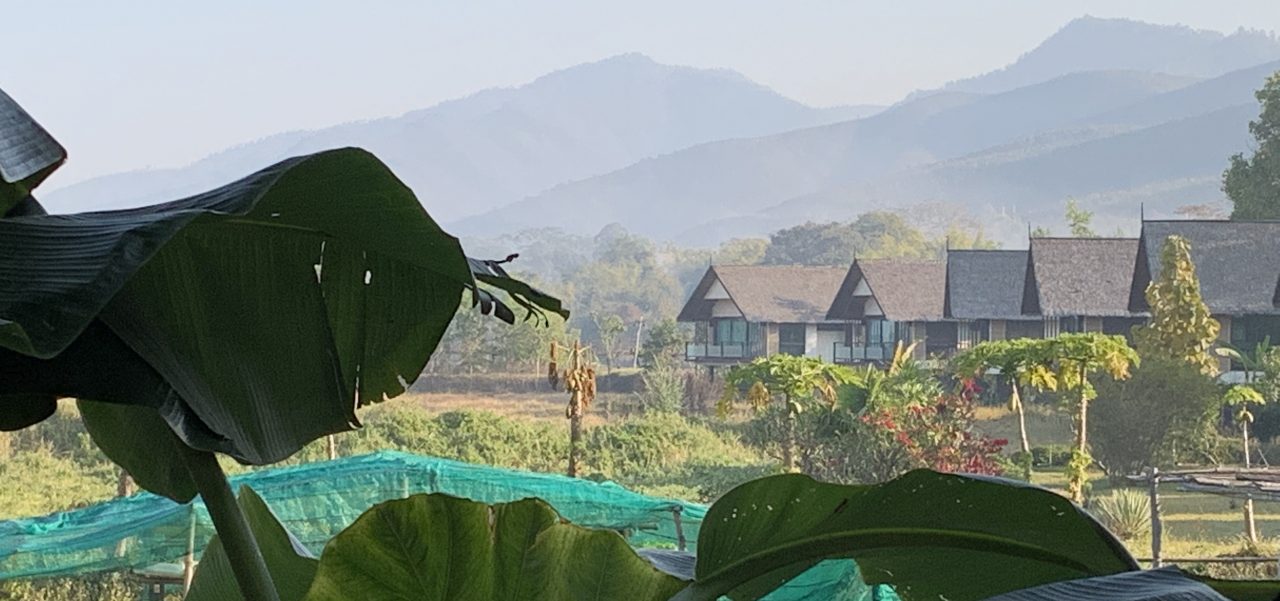
After a 45-minute boat ride at high speed we reach our hotel, which is a beautiful shoreside resort near the southern end of the Lake.
Floating Gardens — On the southern end of the Lake, agriculture is thriving using “floating gardens.” Large sections of the edges of the lake are given over to acres of vegetable beds that are set on rows of floating water plants held in place by bamboo poles — in large plots surrounded by bamboo fencing. Water farmers tend lush crops of flowers, gourds, squash, tomatoes, and other vegetables from their boats.


Karen Women — The Karen people are an ethnic group living in the eastern border region of Myanmar – in the Karen, Kayah and Shan states. The women honor a tradition of wearing neck rings that are believed to stretch the neck. Children start early with only a few bands and add bands as they grow older. While the necks elongate over time, it is thought that rather than stretching the neck, the impact of the bands is to press down on the shoulders, giving the illusion of a longer neck.


Stay tuned for Inle Lake – Part 2: silversmithing, weaving, the five-day market, and lunch in a lakeside home.