We fly from Bagan about an hour east to Heho Airport in Shan State.
Myanmar’s Divisions — Myanmar has 14 administrative units — 7 districts in the heart of the country and 7 states along its borders. The states are named after the ethnic groups that predominate in those states.

States — The states historically have been areas of Burma that presented the greatest challenge to the development of the nation and to the authority of the national government. They have at various times maintained standing armies headed by regional strongmen or warlords, and some have harbored separatist movements, particularly after independence from the British at the end of WWII.
Today, two states continue to pose threats to central government: Rakhine State along the Bay of Bengal and Myanmar’s western borders with Bangladesh and India – which has recently experienced conflict between the Rakhine separatists and the Myanmar military culminating in the military’s attack on and displacement of the Rohingya; and Shan State which borders on China, Laos, and Thailand and is home to the Golden Triangle (home to the opium trade), and keeps is own Shan State Army which currently has an understanding with the Myanmar military.
Shan State — Shan is the largest of the 7 states — its capital is Ttaunggyi. The State is ethnically diverse — home to 57 different ethnic groups, the largest of which are the Shan people who call themselves Tai and are connected ethnically to the Thai in Thailand, Laos, and Yunnan province in China. Shan are the second largest ethnic group in Myanmar after the Bamar (Burmese). Other major groups include Chinese (Chinese language is the primary language in parts of Shan State), Karen (the long-neck women), Pa-o (women who wear a head scarf), Kayah, Danu, Palaung, and Intha.


Eastern Shan – The Shan State border is not stable. The eastern part of Shan State is mountainous, making travel through the border region difficult. Historical rivalries and border disputes with China and Thailand are ongoing. Opium export, which continues from the Golden Triangle, empowers warlords and most likely supports the Shan State Army. Influence from China is present and feared. Myanmar recently closed its border with China to mitigate the risk of importing the coronavirus.
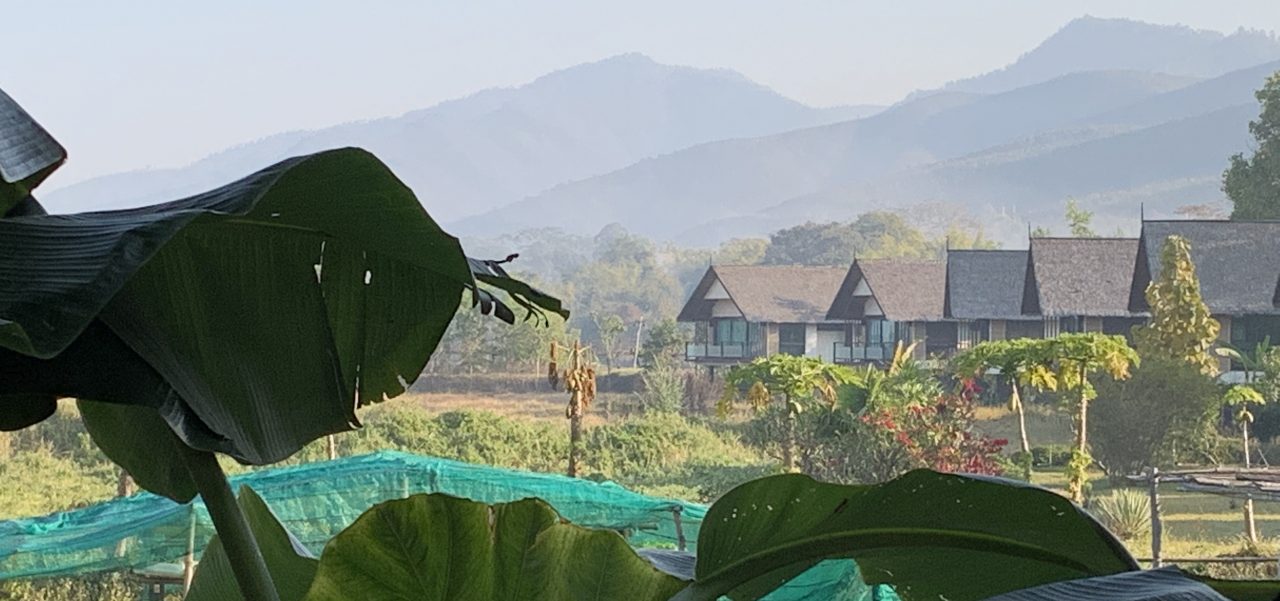
Western Shan – The western part of the region has excellent soil, and is dominated by farms growing potatoes, avocados, cabbage, mustard, tea, ginger, oranges and other kinds of fruit, and coffee.
The rest of our trip will cover major attractions in Southwestern Shan: Inle Lake, Pindaya, and Kalaw.