We have had a spectacular trip and have enjoyed everything about it – on so many levels!
So, what did we really like about it?
1 – First and foremost, the people – It is a gross generalization, but we felt the people we encountered in the five countries we traveled in seemed generally respectful, appreciative, and modest. Frequently, people we encountered responded with an easy and ready smile.
In Myanmar in particular, but in the other countries as well, we felt a strong presence of Buddhism in people’s everyday lives. There is a certain humility about these people, they have a genuine appreciation for and respect for their older relatives, and go out of their way to help others. For many people, the concept of Karma (improving your prospects in the next life through the deeds you do in this life) is meaningful and influences their behavior. We also felt pretty safe, even when walking dark crowded streets at night.

2- Fresh food – when we went to a simple restaurant in Vietnam for a Banh Mi or a simple stir fry or noodle soup – there were piles of fresh herbs and vegetables to be added – making everything much more flavorful…and nutritious. Breakfast in the morning would start with an array of perfectly ripe, luscious fruit (mangoes, papayas, passion fruit, pineapple, dragon fruit, watermelon, banana). Even in some of the most remote and poorest areas, you can find a wide variety of seemingly- just-picked fruits and vegetables in the markets. Something we are hard-pressed to experience in our mass-produced, shipped and stored supermarket culture.
We also loved experiencing a range of new ingredients, spices and herbs, and flavors. There was particular creativity in the noodle dishes, and we came away with a new reverence for soups and the artistry of making a good broth (the secret of Pho). We encountered several dishes that were brilliant for freshness, flavor and balance and we were glad to have a chance to learn some of that art.

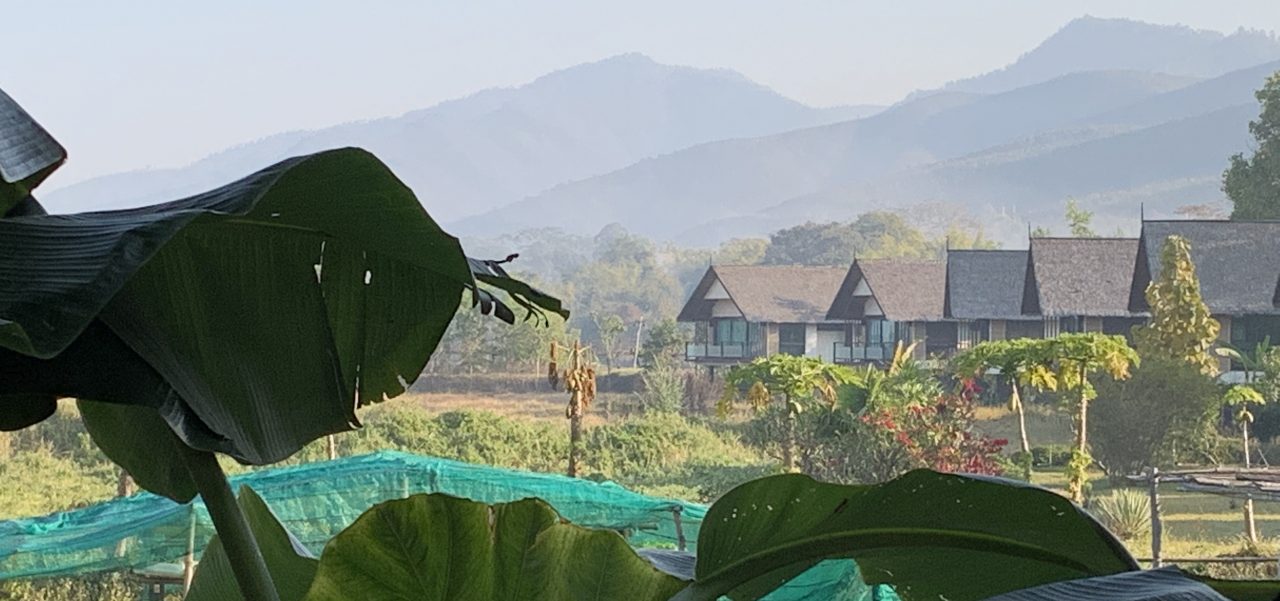
3 – Scenic Beauty — Great natural beauty: misty mountains, lush green rice paddies, stunning karsts, large flowing rivers, perfect sunsets.

4. Art and Architecture – From the teak temples and spectacular golden pagodas of Myanmar to the palaces and temple paintings of Vietnam, Cambodia, and Thailand to the bas reliefs in the Angkor temples to the tribal crafts of Laos, exquisite design and color was everywhere.

5. Laos – We get asked what our favorite country was. It is hard to single out one country, because each was special in its own way – but if we have to pick a favorite, it was Laos. Something about the people, the simplicity of life – as hard as it was for many Laotians, the importance of family and tribe, the effort to preserve of its diverse culture and crafts, and the rugged beauty of the country set it apart from the others. We realize, though, that all of that comes at a price for people – in remoteness, isolation, hardship and poverty. Economic growth and younger generations will bring change, and some of Lao’s culture and charm will diminish. We appreciated the ability to experience it still relatively unaffected by our modern fast-paced and consumption-driven global society.

6. – Our trip experience – we travelled with a great professional organization – G Adventures – with really wonderful tour leaders (Chit in Myanmar and Cat for the Indochina loop) and in a small group (12-16). G Adventures emphasizes individual contact with the culture and people and supports local projects in the communities they travel in through their foundation. We got to see and have meals at several of these organizations and appreciate the work they are doing to create opportunities for the younger generation.

Our Hope for Southeast Asia: Not one of these countries has a working democracy – people don’t like or respect their leaders — who are either unelected or “elected” through a rigged process. But they have been through far worse and are grateful for peace and the opportunity now to benefit from economic growth.
Laos and Cambodia are truly rural and poor. In Laos, the vast majority live in a tribal world in mountain communities where they live much as they have for centuries, relying on subsistence agriculture. There is a dignity to their way of life and it fits in a way with the social balkanization that naturally occurs in mountain regions. Cambodia lacks the natural beauty of Laos and also the access to natural resources. Rural life seems harsher and more difficult.
It has been almost 30 years since peace broke out in the region and the people who were responsible for the wars or who suffered the most are now either gone or old. The younger generations are not interested in the past or in the political baggage of their grandparents — they are looking to a better future.
The future for all of these countries is in their young populations and their investment in education. Some countries now mandate teaching English beginning in primary school for one reason — it broadens job opportunities in their own countries and links kids to the world through the Internet. The more these countries emerge from the dark ages of insularity and political repression and seek foreign investment and commerce for economic growth, the greater the hope for a more secure and prosperous future for the region.
These countries sit on great natural and historic resources that are at risk from over-exploitation. All are taking steps to better protect their forests, water, minerals, wildlife, and historic resources. More needs to be done. Necessity, local corruption and the Chinese thirst for electric power, raw materials, and new seaports already are overwhelming their best efforts at environmental protection and resource conservation.
Tourism is a major and growing source of income for the region, but it needs to be managed. Everywhere we saw huge developments (hotels, resorts, etc.) underway with Chinese and other outside investment. Large numbers of young people are learning language, hospitality and restaurant skills as the market expands.
The tourist experience for us was exceptional. We benefitted, due to the coronavirus outbreak this year, from a flow of tourists that was less than half of its usual level for the high season. In a normal year, though, the flow of tourists in the high season is dense and growing denser each year. The region will need to find a way to balance the appetite for tourist revenues with the need to preserve and protect the resources people are visiting or risk cheapening the experience as the tourist masses grow denser.
Thanks to all of our readers for taking this trip with us. These countries have so much to offer and we were grateful to experience and learn so much. We are impressed with and encouraged by the young people of this region who are driving the change that is so badly needed. We wish for them the best of all possible futures.
Thanks for great commentary and photos. Trip of a lifetime. Thanks for sharing!
I thoroughly enjoyed your blog! I found it a wonderful summary of my exact experiences with Southeast Asia. It brought back so many touching memories. Thank you.